Industry
The post-DTC playbook
Direct-to-consumer is no longer the moat, it's the baseline. Here's how the brands that are growing in 2026 are stacking advantages on top of it.
 DanielBusiness3 min read
For a decade, “DTC” was the answer. Cut out the middleman, own the customer relationship, capture the margin. It worked, until everyone else figured it out and the cost of acquiring a customer on Meta crossed the unit economics red line for entire categories at once.
Today the brands that are growing aren’t DTC-only. They’re DTC-plus-something.
DTC is no longer a moat. It’s a baseline. The moat is what you stack on top.
What the new playbook looks like
Three patterns recur across the consumer brands we work with that are growing profitably right now.
1. Operations as the product
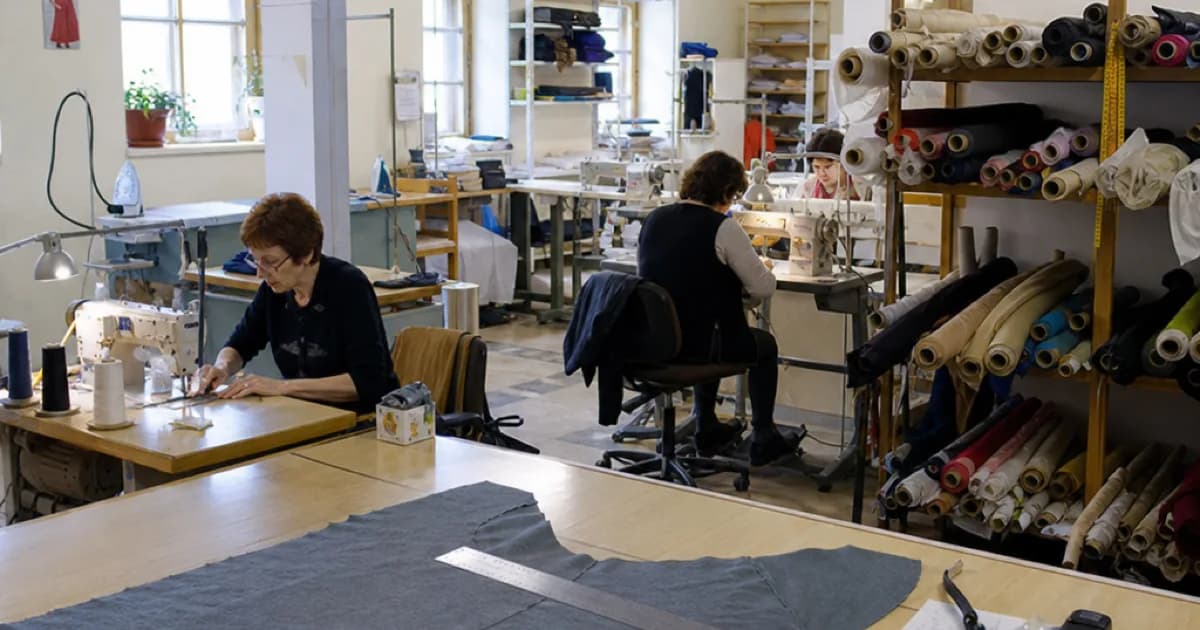
The fastest-growing brands talk about their supply chain the way SaaS companies talk about their architecture. They obsess about lead times, sample cycles, factory transparency. The reason is simple: in a category where the idea commodifies in twelve months, the execution is what compounds.
Key points
- Lead time from sketch to first sample, measured in days
- Number of factories per category, with documented audit trails
- Defect rate, with a public-facing target
- Carbon and ethics scoring, surfaced in the product page
2. Owned distribution beyond .com
The DTC playbook said: drive all traffic to your site. The post-DTC playbook says: be present everywhere your customer makes the decision, and make sure the buying experience is consistent across all of them.
| Channel | Role in the funnel | Margin profile |
|---|---|---|
| Your website | Brand story, full assortment | Highest |
| Marketplaces | Discovery, easy second purchase | Lower |
| Wholesale / retail | Social proof, trial | Lowest, highest LTV |
| Agentic commerce | Frictionless re-orders | Middle |
The new question isn’t “which channel should we be on?”, it’s “which channel owns which moment of the customer’s journey?“.
3. The brand as media
You’re not running a store. You’re running a media property that happens to sell things. The best consumer brands of the last three years all built an audience first, sometimes for years before their first SKU shipped, and treated the storefront as the eventual destination, not the starting point.
What this means for the stack
If the moat is operations, distribution and audience, the stack has to do three things well.
- Render fast on every surface. Your site, marketplaces, AI agents, all need a single source of truth, and a storefront engine that exposes it correctly to each consumer.
- Sync with the physical world. Inventory, lead times, transit windows, defect rates, every fact your supply chain knows should be available to every consumer in real time.
- Get out of the founder’s way. The brand should be doing brand work. The operating layer should run itself.
That’s the gap Nomu fills. If you’re already running a brand and feeling the seam pain, we built the storefront engine for exactly this moment. There’s a book a demo link on every page if you want to talk it through.
Your own merch, in production in 5 minutes.
Adaptive storefronts on top, the whole supply chain underneath. Ship without managing the stack.