Supply chain
Clothing manufacturers in Europe: what the label actually buys you
Made in Europe is a supply chain decision before it is a marketing one. What proximity to European factories changes, what it does not, and how to vet a partner properly.
 LukeSupply chain6 min read
“Made in Europe” is doing two jobs at once, and brands get into trouble when they buy it for the second and are billed for the first. It is a supply chain decision with real operational consequences. It is also a line on a hangtag that customers read as a promise about labour and quality.
The first is something you can verify. The second is something you have to earn, and the label does not confer it.
What proximity actually changes
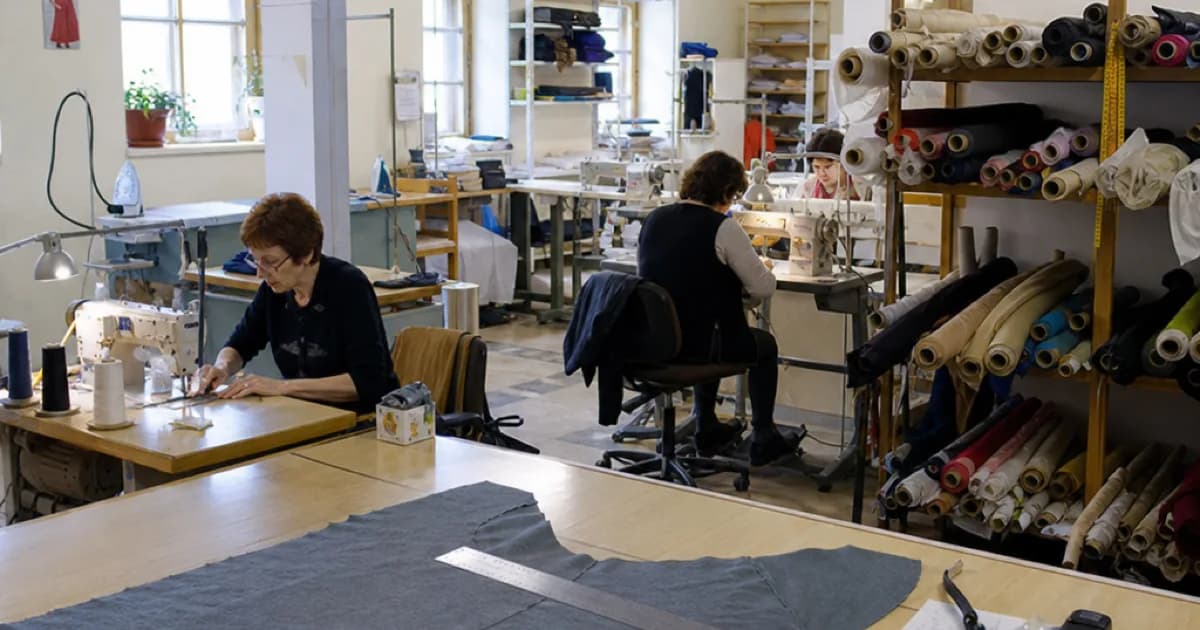
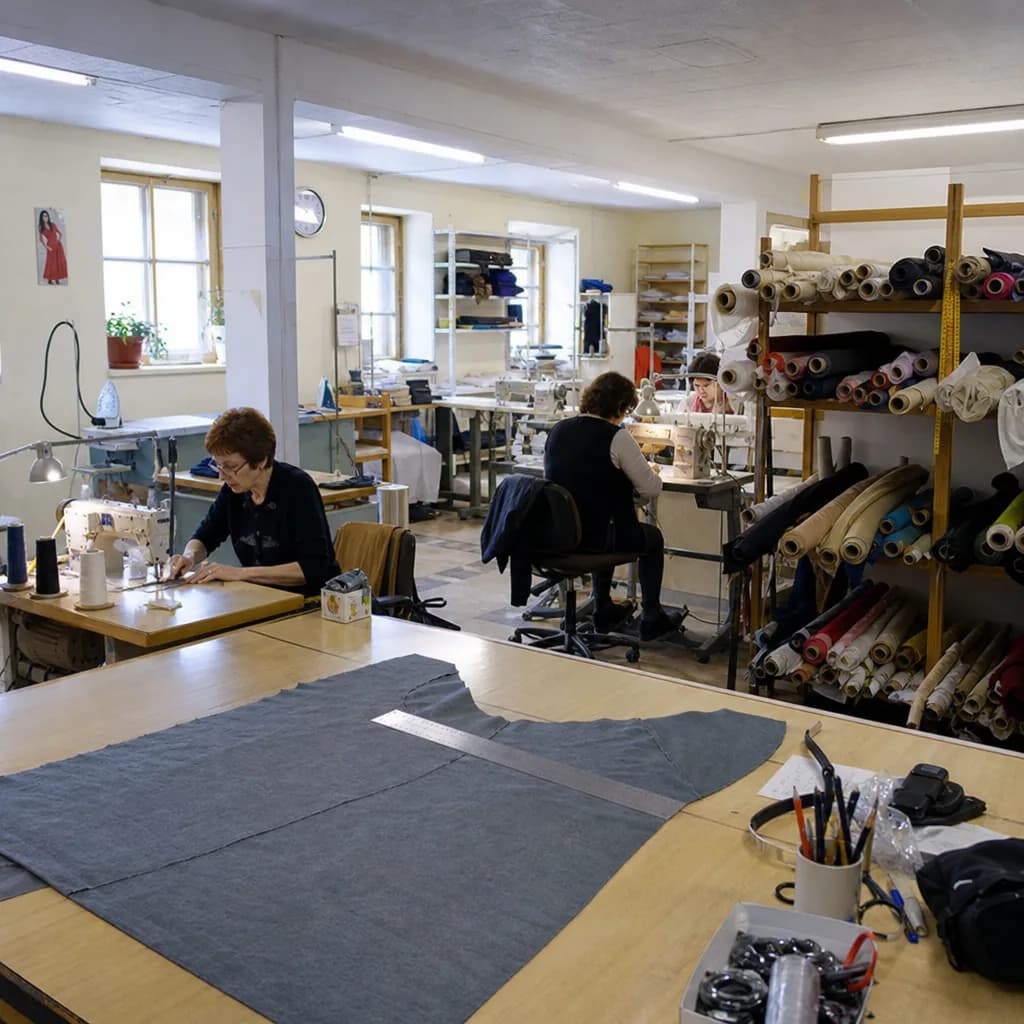
If you sell into Europe, producing there compresses the same loop that domestic production compresses anywhere: sampling rounds measured in days rather than weeks, factory visits that do not need a long-haul flight, fit problems solved in one working day.
That has a second-order effect people underrate. When reordering is fast, you stop having to guess. The single most expensive merch decision is committing to a large run before knowing which colour sells, and short lead times let you order less, learn, and reorder rather than betting the whole season on a forecast.
What it does not change
The fabric story is separate from the sewing story, and it is the one that usually breaks the claim. A garment cut and sewn in Portugal from a knit woven in Turkey is a normal, legitimate product, but it is not the same sentence as “made in Europe” and the customers who care about origin are exactly the ones who will read the difference.
Nor does it make anything automatically ethical. Working conditions are a property of a specific factory and its audits, not of a postcode. A supplier who can tell you where cutting, sewing, dyeing, finishing and decoration each happen is giving you something you can check. A supplier who answers with the country is giving you a slogan.
Origin is evidence, not a conclusion. If a supplier cannot say who does each step, the label is decoration.
The merch-specific part
Branded apparel fails for a reason that has nothing to do with the print: the blank underneath is not a garment anyone would choose. Fit decides whether something enters a wardrobe or a drawer, and no amount of embroidery rescues a boxy 140gsm tee.
So order the decisions properly. Garment first, decoration second.
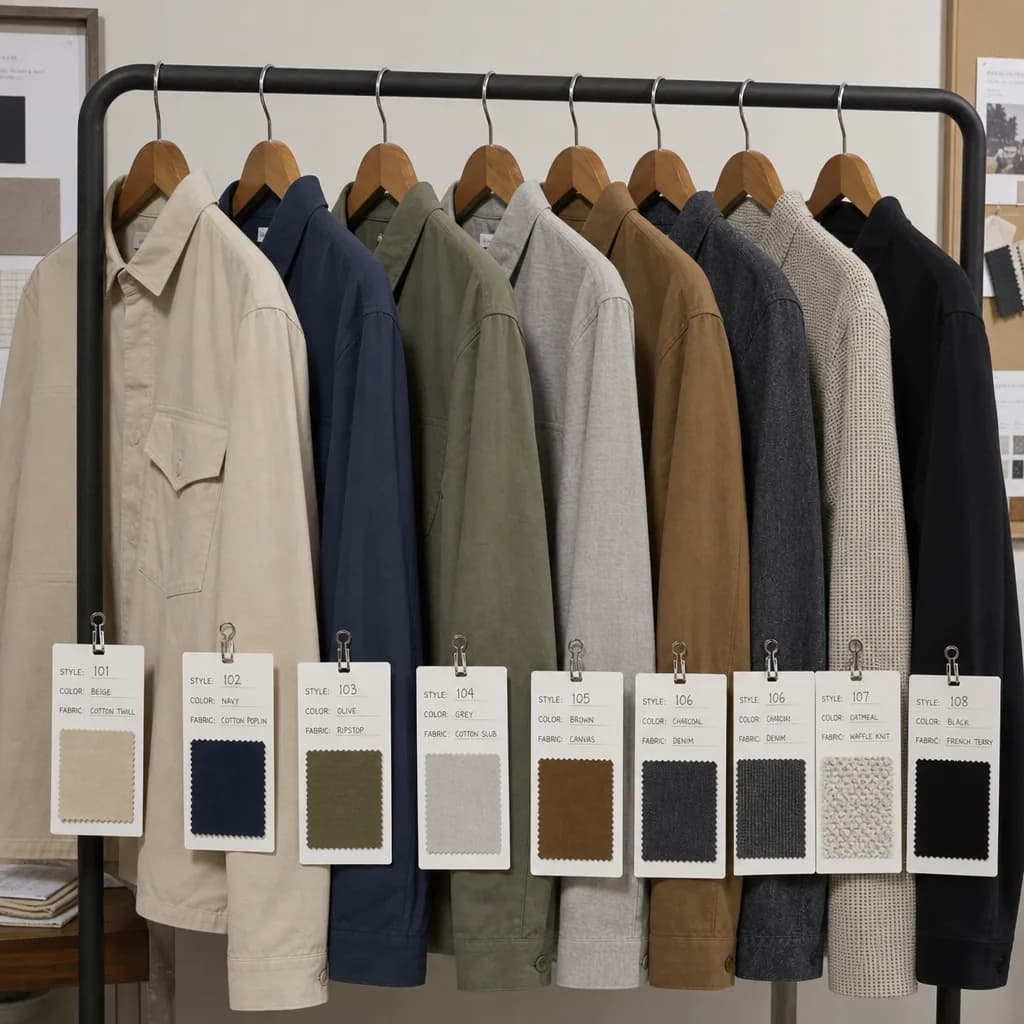
Match the method to the cloth while you are at it. Embroidery suits weight and gives permanence; a soft-hand print suits a lightweight jersey; a woven label is often the right answer on something you want read as clothing rather than as merchandise. A thick plastic-feeling print on a premium blank cancels out everything the blank cost you.
Vetting a European partner
The questions are the same anywhere, and the answers are what separate suppliers.
Key points
- Where does each step happen: cutting, sewing, dyeing, finishing, decoration? Name the sites, not the country
- What runs through here week to week, and in which categories?
- What is the minimum, and does it move with fabric or colour?
- Whose fabric is it, and what are the mill’s own minimums?
- What is checked before goods are packed, and by whom?
- What do you need from me before you can quote accurately?
That last question is the tell everywhere. A factory that asks for a tech pack, a graded size run, a decided fabric and a quantity has done this before. A factory that quotes off a mood board is quoting how much trouble you look like.
Say less, and say it precisely
If the merch costs more than promotional stock, the reason has to be visible. “Premium quality” is not a reason. The fabric weight, the country each step happened in, why the run is small, how to wash it so it survives: those are reasons, and they are also the things you can stand behind if anyone checks.
Avoid the claim you cannot evidence. A brand that says “cut and sewn in Portugal, fabric from Italy” is more trusted than one that says “sustainably made in Europe”, because the first is checkable and the second is a mood.
The short version
Buy European production for the loop it shortens, not for the hangtag. Ask where each step happens and expect specific answers. Treat the fabric origin as a separate question from the sewing origin. Choose the blank before the artwork. Order small enough that being wrong is a lesson. And describe what you made in language a customer could verify.
If you want the full production sequence rather than the European slice of it, that is the merch playbook. The domestic-versus-import trade-off makes the same argument from the other side of the Atlantic, and if minimums are the blocker rather than geography, that is a different problem.
Frequently asked
No. Conditions are a property of a specific factory and its audits, not of a country. The useful test is whether a supplier can tell you where cutting, sewing, dyeing, finishing and decoration each happen. Specifics you can check beat a country name every time.
Your own merch, in production in 5 minutes.
Adaptive storefronts on top, the whole supply chain underneath. Ship without managing the stack.